 Far north Vietnam
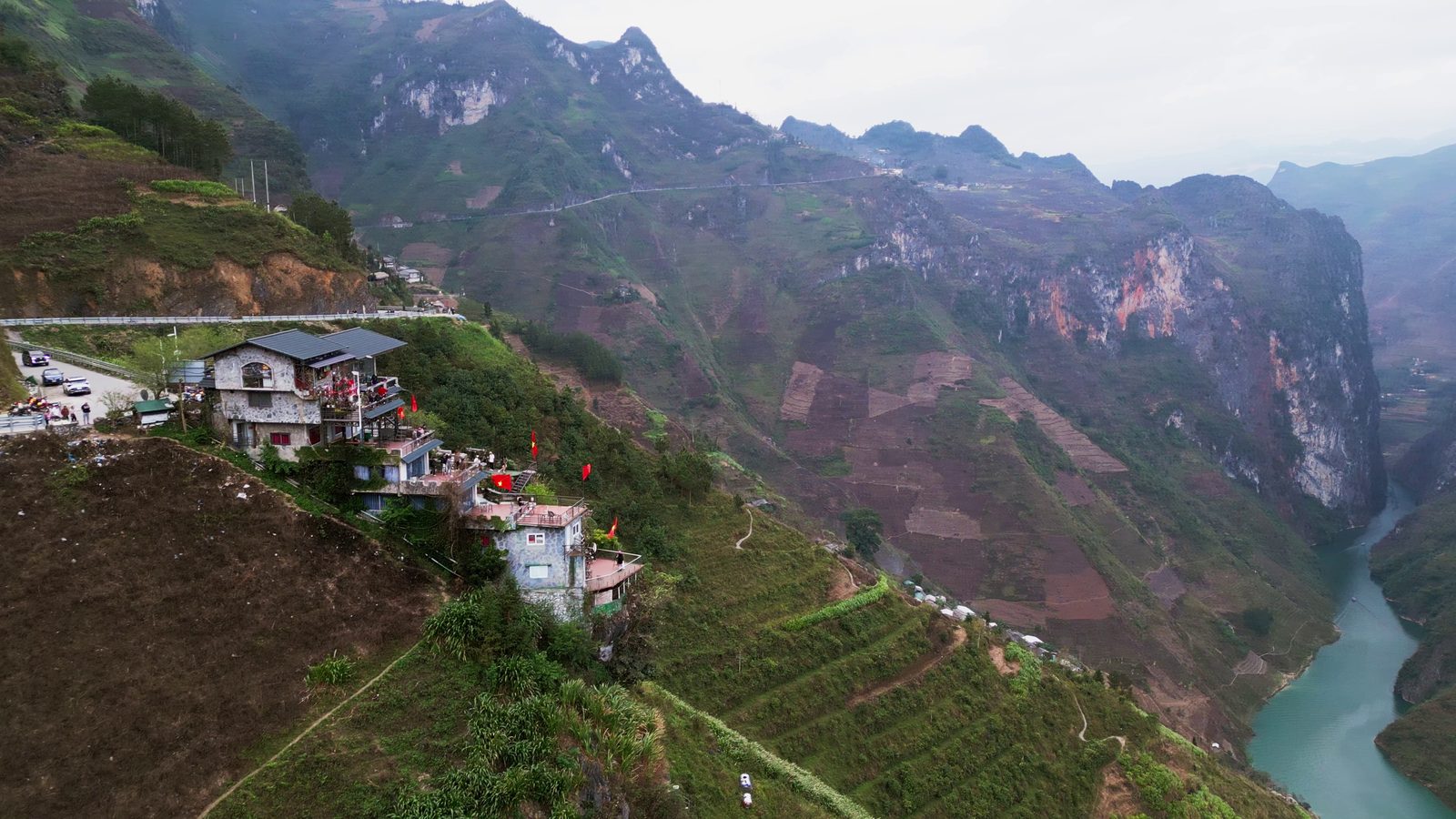
The Ha Giang Loop is a route of mountain roads through the far north of Vietnam, near the Chinese border, passing Quan Ba, Dong Van and the Ma Pi Leng Pass. Most people ride it in three or four days, usually with a driver (an "Easy Rider") or a guide, starting from Ha Giang city, about a night's bus ride from Hanoi. Check the border-area permit rule before you go, because sources disagree on whether the classic loop needs one. Go in autumn if you can, and only ride yourself if you are experienced.
Facts last checked: November 2026. Prices, fees and rules change, so confirm with official sources before you go. How we check.
Watch Ha Giang Loop first
The short video, then the full guide below. The video loads from YouTube only when you press play.
Subscribe on YouTubeThe end of the road
Ha Giang lies in the far north of Vietnam and shares a border of about 270 km with China's Yunnan province. The area was a province until it was merged into Tuyên Quang in June 2025, but people still call the route the Ha Giang Loop.
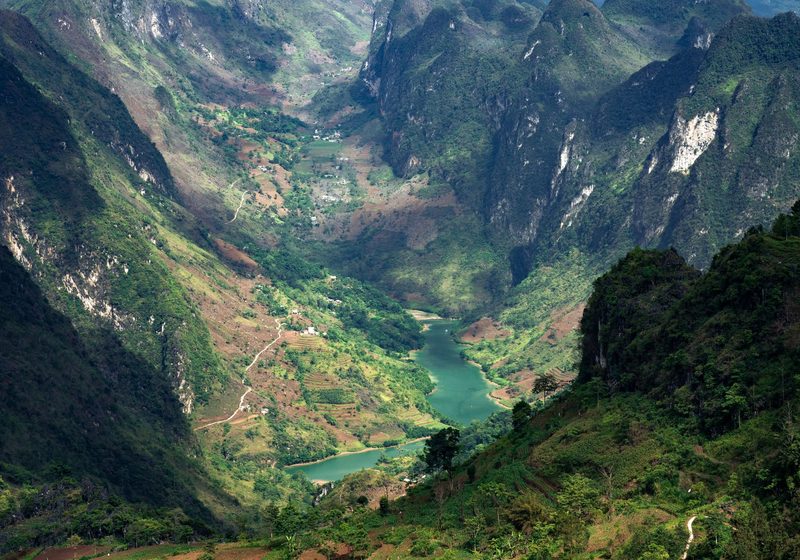
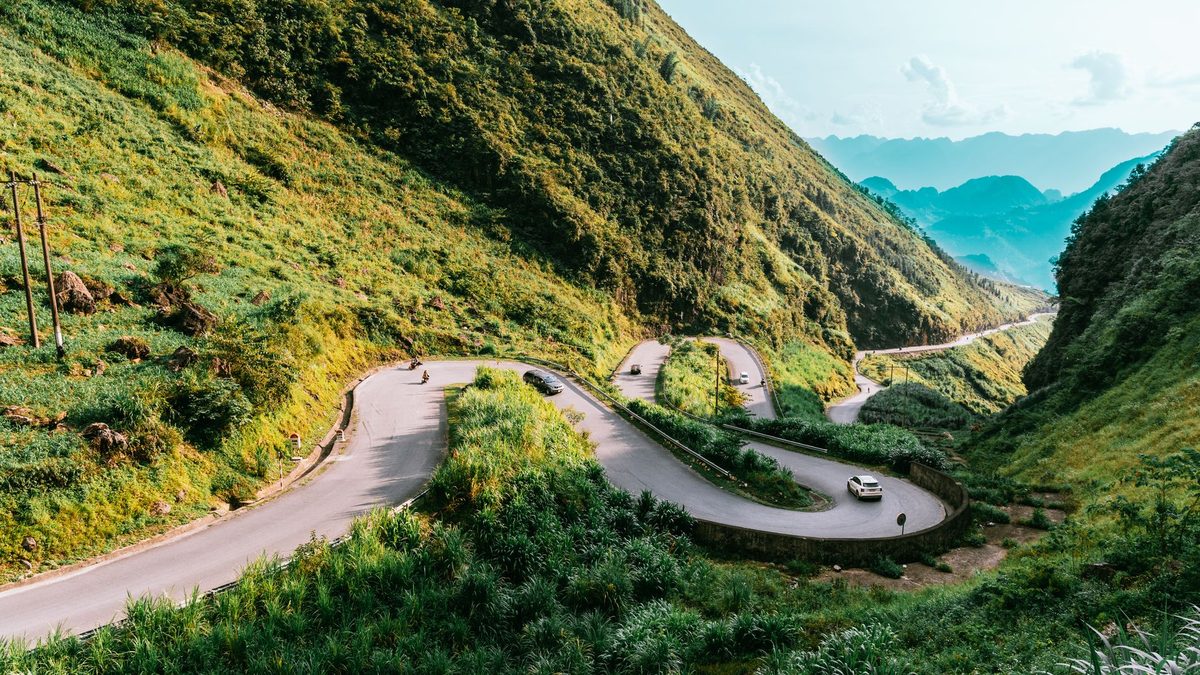
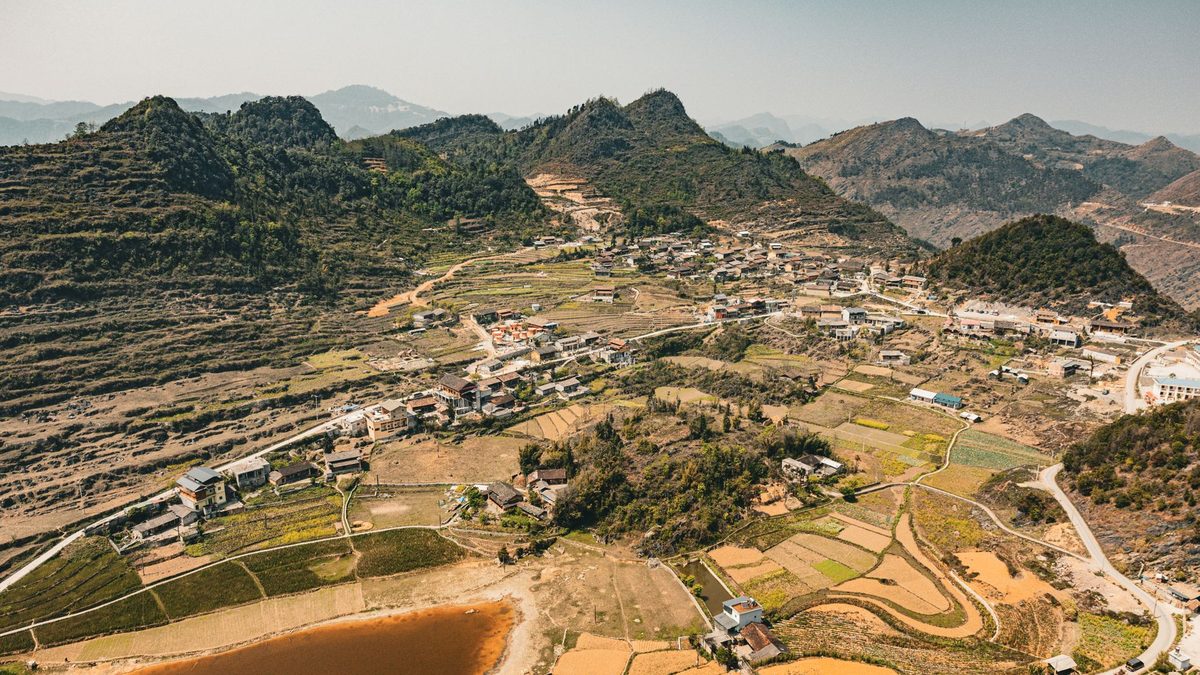
The landscape is a plateau of grey limestone, with small terraced fields wedged between the rocks. The road climbs over passes such as Ma Pí Lèng, at about 1,500 metres, above the Nho Quế River. Its canyon is described as one of the deepest river gorges in Southeast Asia.
It is also home to many ethnic groups. The province has 43 recognised groups, and the largest are the H'Mông, Tày and Dao. At Sà Phìn you can see the palace of the Hmong King, Vương Chính Đức, built in 1902 to 1903 around courtyards and a moat.
Advertisement
What to see
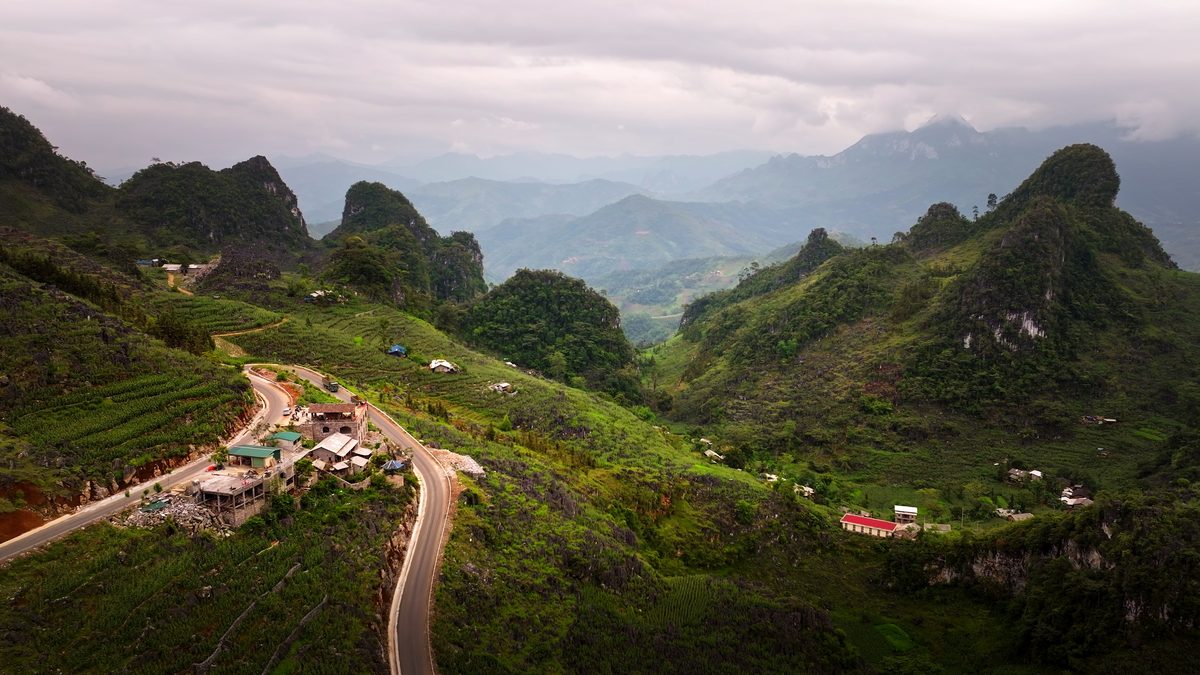
- Ma Pí Lèng Pass: the most famous stretch, with the Nho Quế gorge far below. Many tours stop at a viewpoint, and some include a boat trip on the river.
- Quản Bạ: the valley at the start of the loop, nicknamed Heaven's Gate.
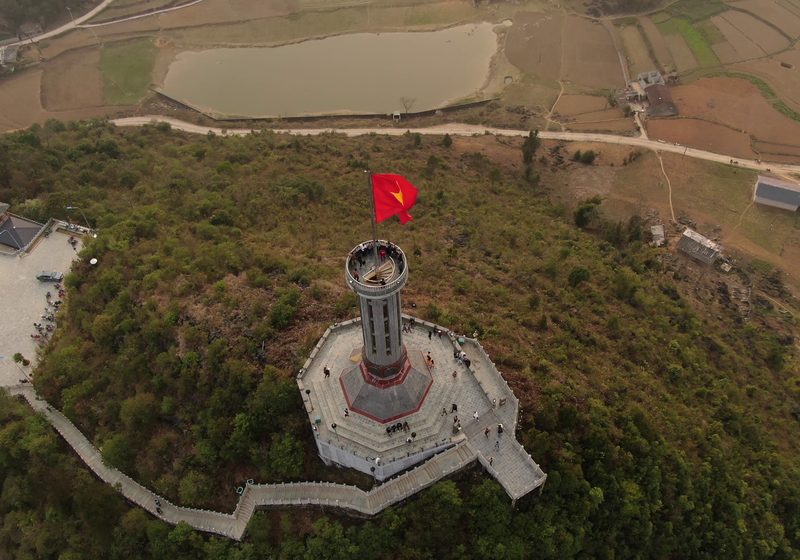
- Lũng Cú flag tower: a flag tower on a hill near the northern end of the route.
- Dong Van old quarter: an old market town, lively at weekends.
- Sà Phìn palace: the old palace of the Hmong king.
Please respect the villages you ride through. Ask before photographing people, and do not give money or sweets to children.
A typical three-day loop
Tours differ, but the loop is usually done anti-clockwise over two to four days. Here is a typical three-day plan.
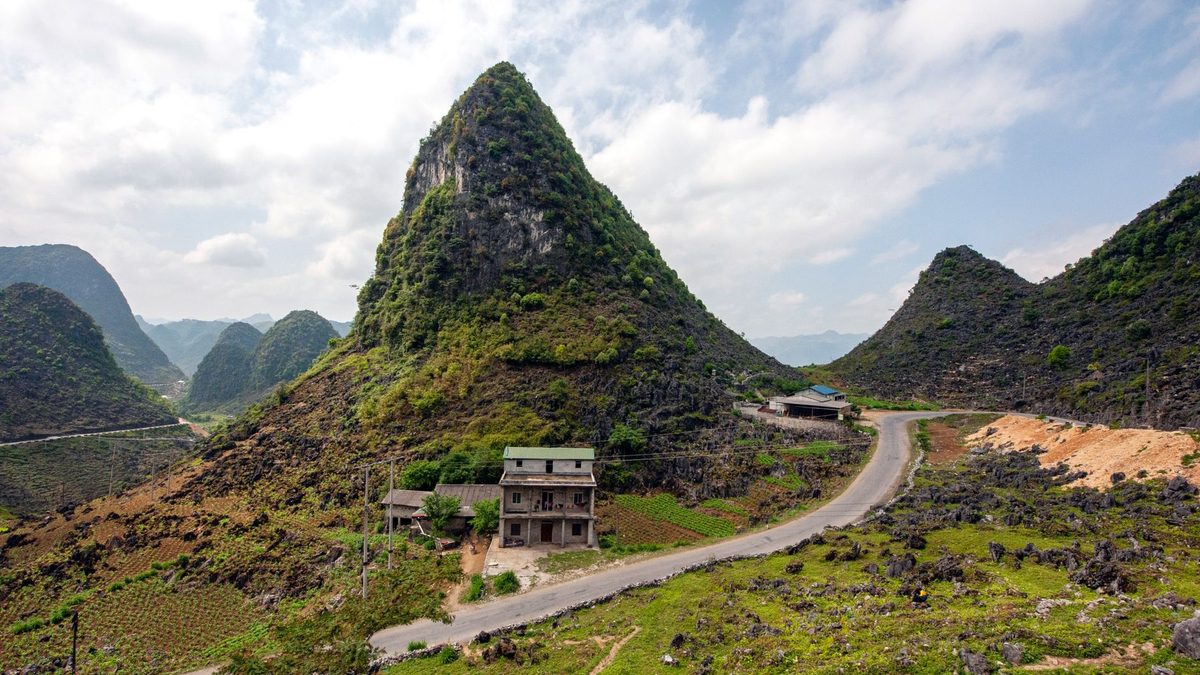
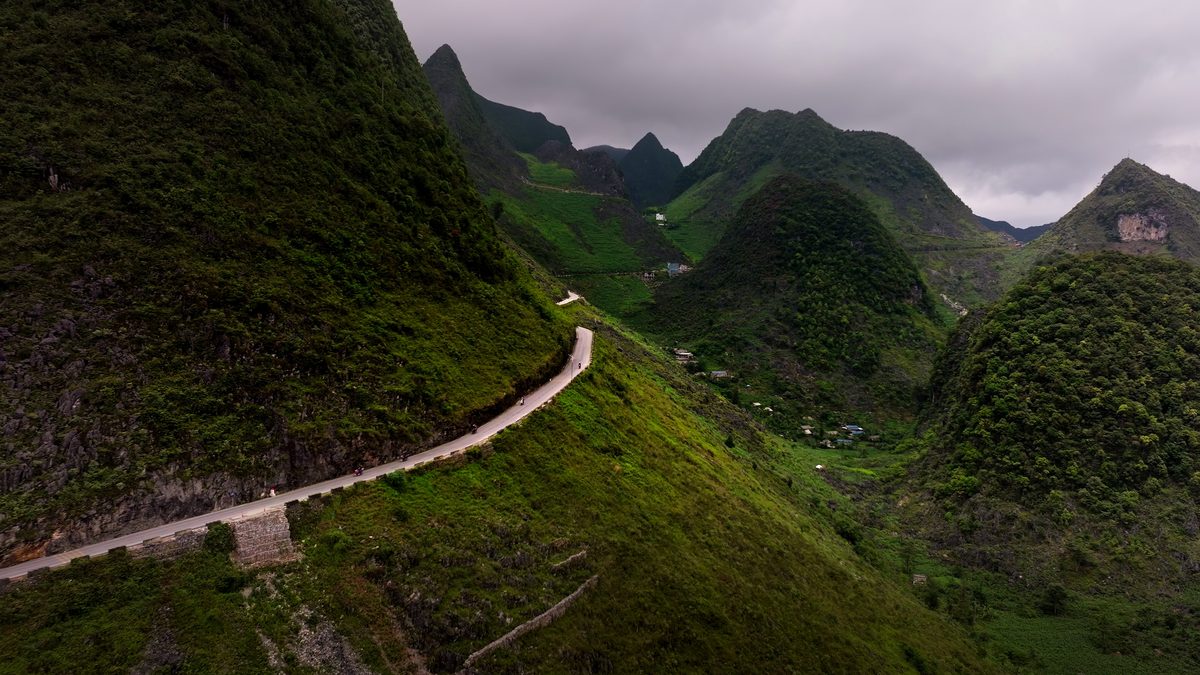
- Day 1Leave Ha Giang city, ride over Quản Bạ and Heaven's Gate, and sleep in Yen Minh or Dong Van.
- Day 2Visit Lũng Cú and Dong Van, then ride the Ma Pí Lèng Pass to the Nho Quế River and on to Meo Vac.
- Day 3Ride back to Ha Giang along the river. Many tours then return to Hanoi by night bus.
- OptionalA fourth day lets you slow down and add detours.
- HanoiA sleeper bus or a tour van links Ha Giang with Hanoi. Check the schedule.
Advertisement
Where it is and how to get there
Ha Giang is in the far north of Vietnam, on the border with China.
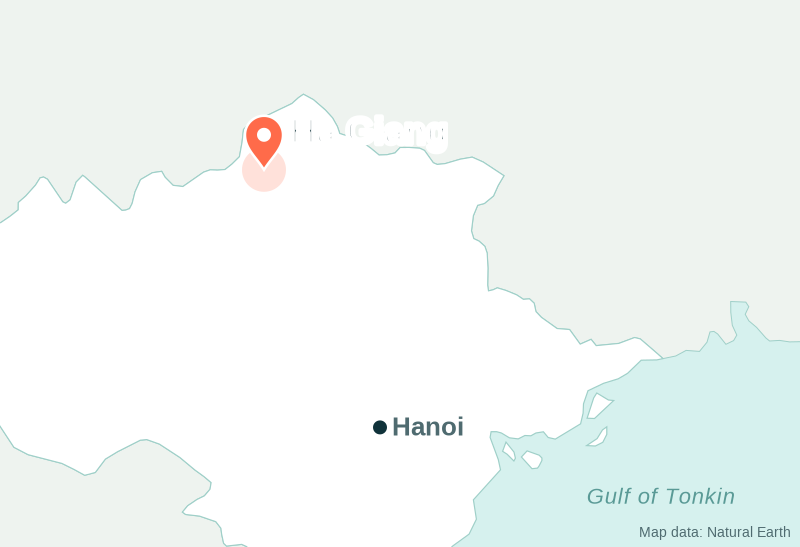
- From Hanoi Buses and tour vans run to Ha Giang city, usually as a sleeper overnight. Most loop tours start and end in Hanoi.
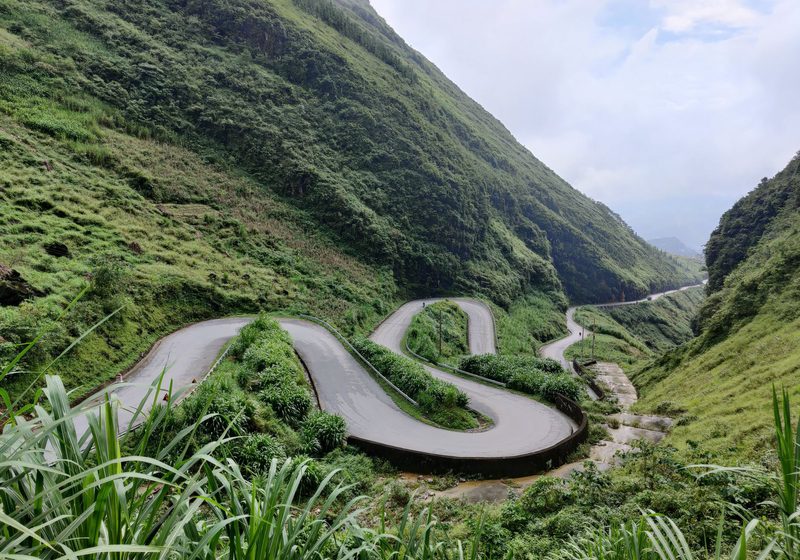
- Riding it You can ride a motorbike yourself if you have a valid licence and experience, or ride pillion with an Easy Rider, or go by jeep. Roads are steep and wet in the rainy months.
- Permit Sources disagree. Some operators say foreign visitors entering border areas need a permit from 1 June 2026 at about US$10 (reported by Time Out), others quote 200,000 to 260,000 VND, and one operator says the classic loop does not need one. Tour operators usually arrange it. Ask in writing before you book, because checkpoints can fine riders without a required permit.
- Geopark fee Sources disagree on how the Dong Van Karst Plateau Geopark fee is collected, with one saying it is added through your accommodation and others quoting different amounts. Ask your operator.
Prices: on Klook, a 3-day, 2-night tour with a boat trip was listed at about $164 and a 4-day Easy Rider tour at about $336 in the listings we saw. Prices change.
Where to stay
Homestays
Family homestays along the route are common and are usually included in a tour. Expect simple rooms and shared meals.
Best for: meeting local familiesHa Giang city
Most people spend a night here before and after the loop.
Best for: a base before you startWhen to go
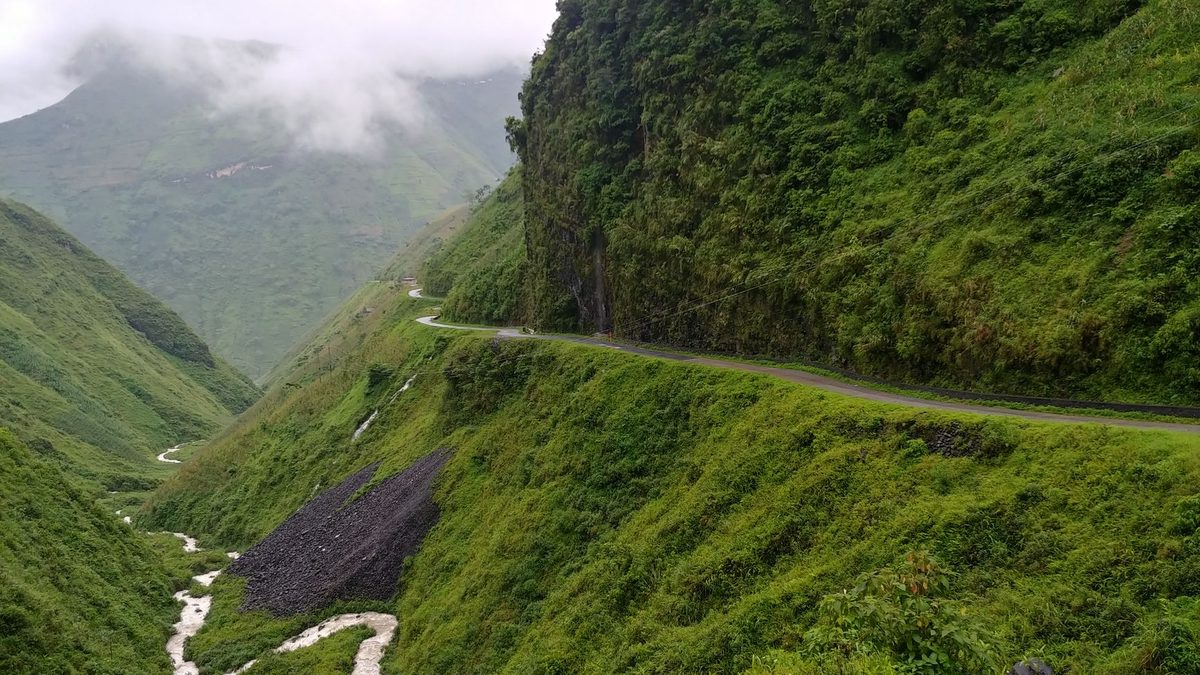
- Autumn September to November. Clearer skies and cooler weather, and many guides say the best time for views. Buckwheat flowers bloom in autumn on the plateau (the festival dates were not given in the source we read).
- Spring March to May. Green and mild, but mist is common.
- Summer June to August. Hot and wet, with a higher risk of landslides on the roads.
- Winter December to February. Cold, grey and misty, with occasional frost on the high passes.
Advertisement
Our tips for Ha Giang Loop
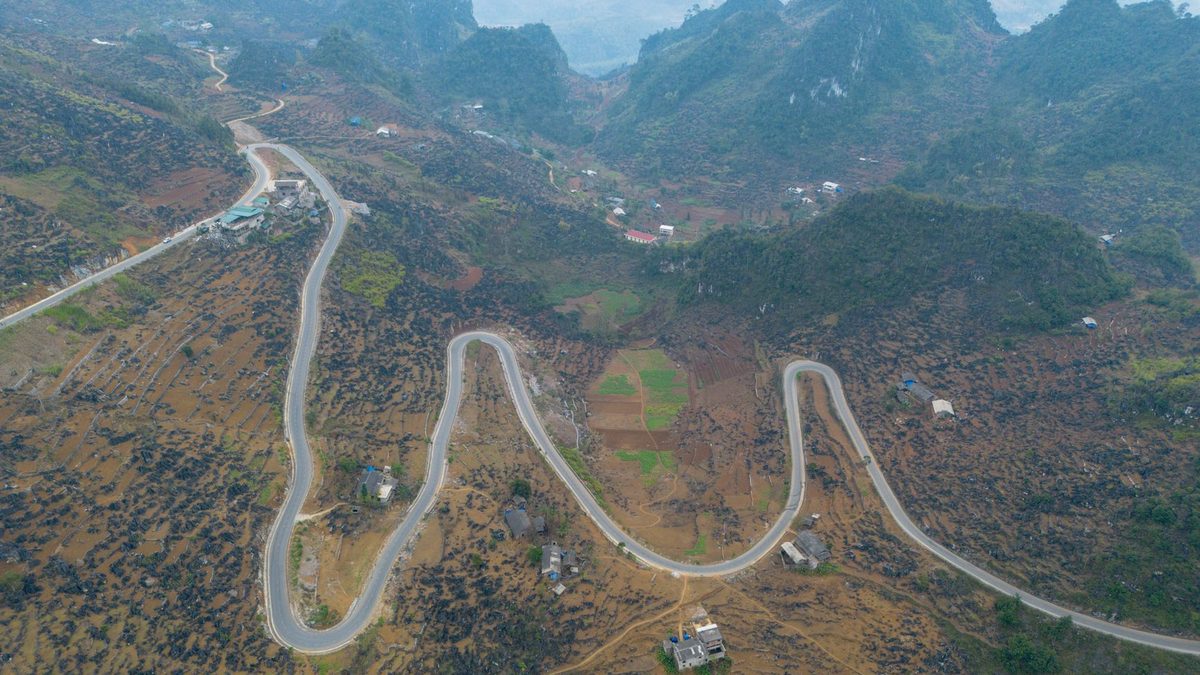
- Ride with an Easy Rider if you are not experienced. The roads are steep, narrow and often wet.
- Sort out the permit. Ask your operator in writing whether you need one. If you do, they usually arrange it, or you can apply at the Immigration Office in Ha Giang city.
- Bring layers. It is cold on the high passes, even in summer.
- Take cash. Cards are rarely accepted.
- Wear a helmet and long clothes. Every year there are accidents.
Don't make these mistakes
- Riding yourself without enough experience. The roads are steep and the traffic is unpredictable.
- Not checking the permit rule. Sources disagree, and checkpoints can fine you if one is required.
- Cramming it into two days. You will spend most of the time on the bike.
- Going in heavy rain. Roads can be slippery or blocked.
- Skipping travel insurance. Check that it covers motorbike riding.
Quick answers
How many days do I need?
Most people take three or four days. Two days is possible but rushed.
Do I need a permit?
Possibly. Reports say a border-area permit costing roughly 200,000 to 260,000 VND (about US$10) applies from mid-2026, but one operator says the classic loop does not need one. Confirm with your operator in writing.
Can I ride a motorbike myself?
Only with a valid licence and real experience. Many visitors ride pillion with an Easy Rider instead.
When is the best time to go?
Autumn, from September to November, is the popular choice.
How do I get from Hanoi?
By overnight sleeper bus or a tour van to Ha Giang city.
Before you go
Have data when you land
Maps and offline directions on your phone for roads with patchy signal.
Get your eSIMAdvertisement
 Mu Cang Chai
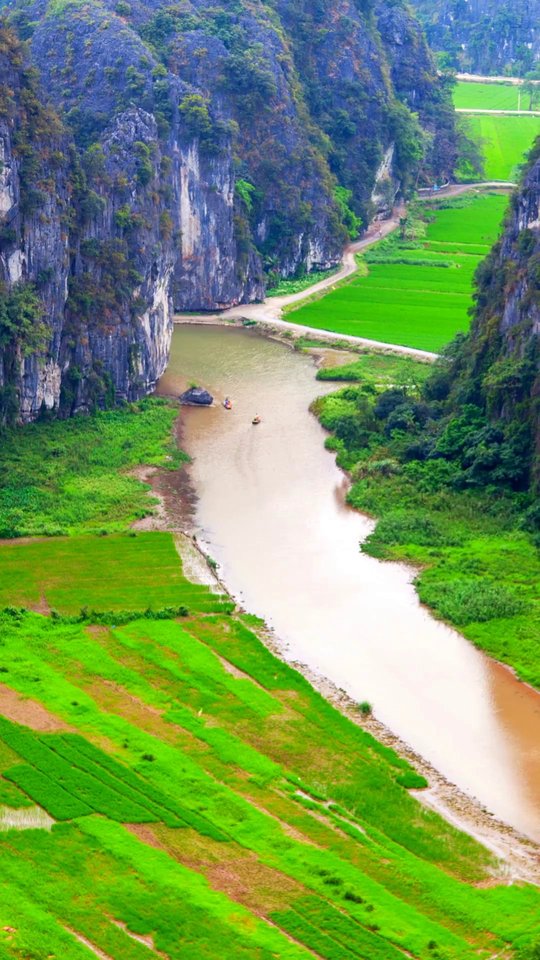 Ninh Binh
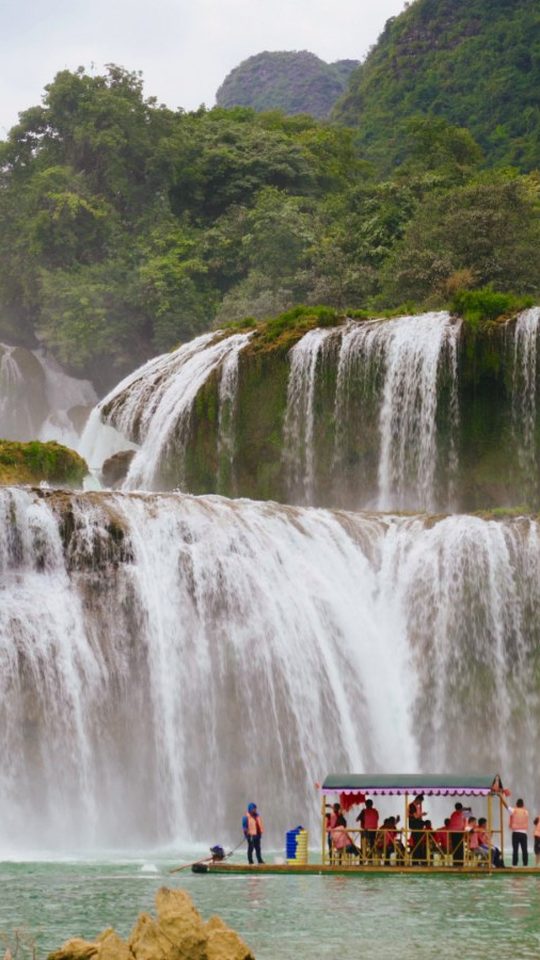 Ban Gioc Waterfall
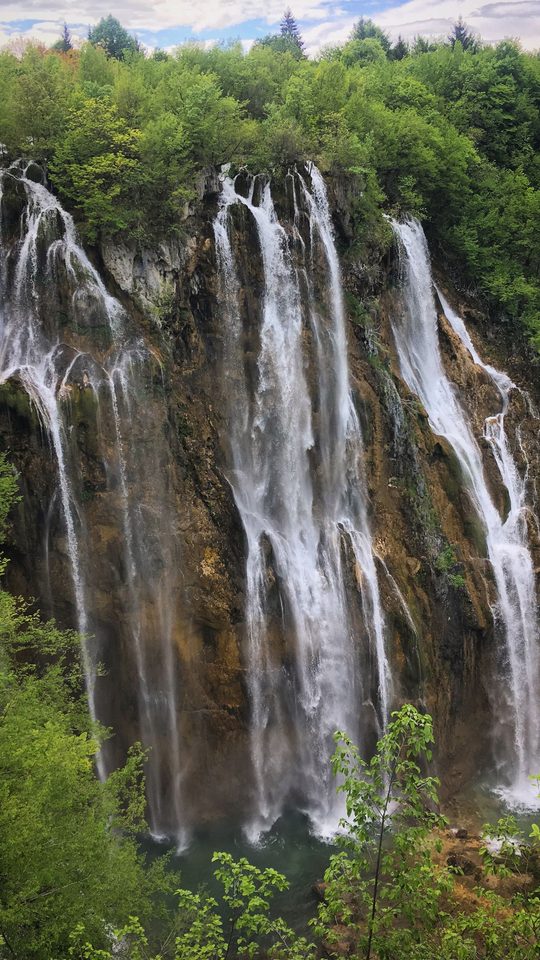 Rastoke & Plitvice
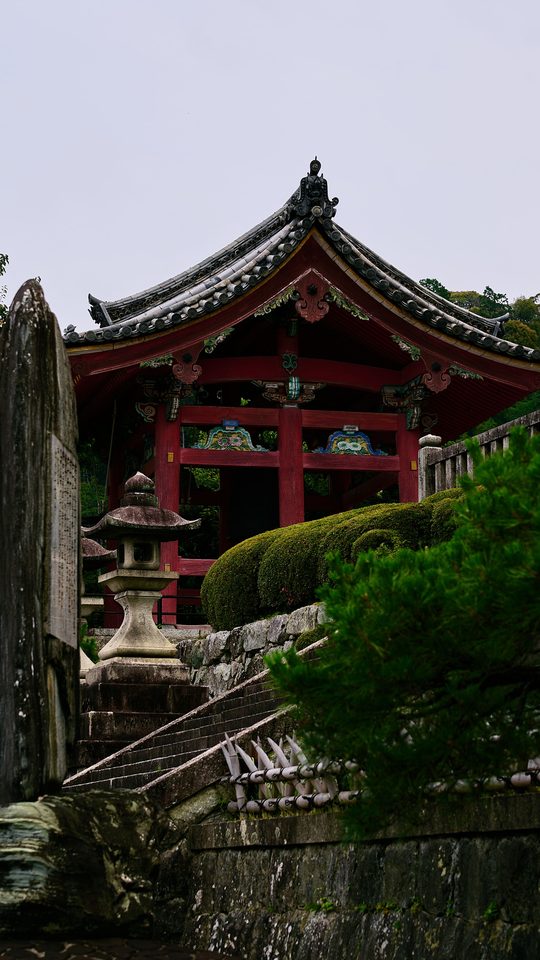 Yamadera
 Trolltunga
 Palawan
 Shirakawa-go
 Koh Rong
 Hallstatt
 Civita di Bagnoregio
 Chefchaouen