 Hidden Gems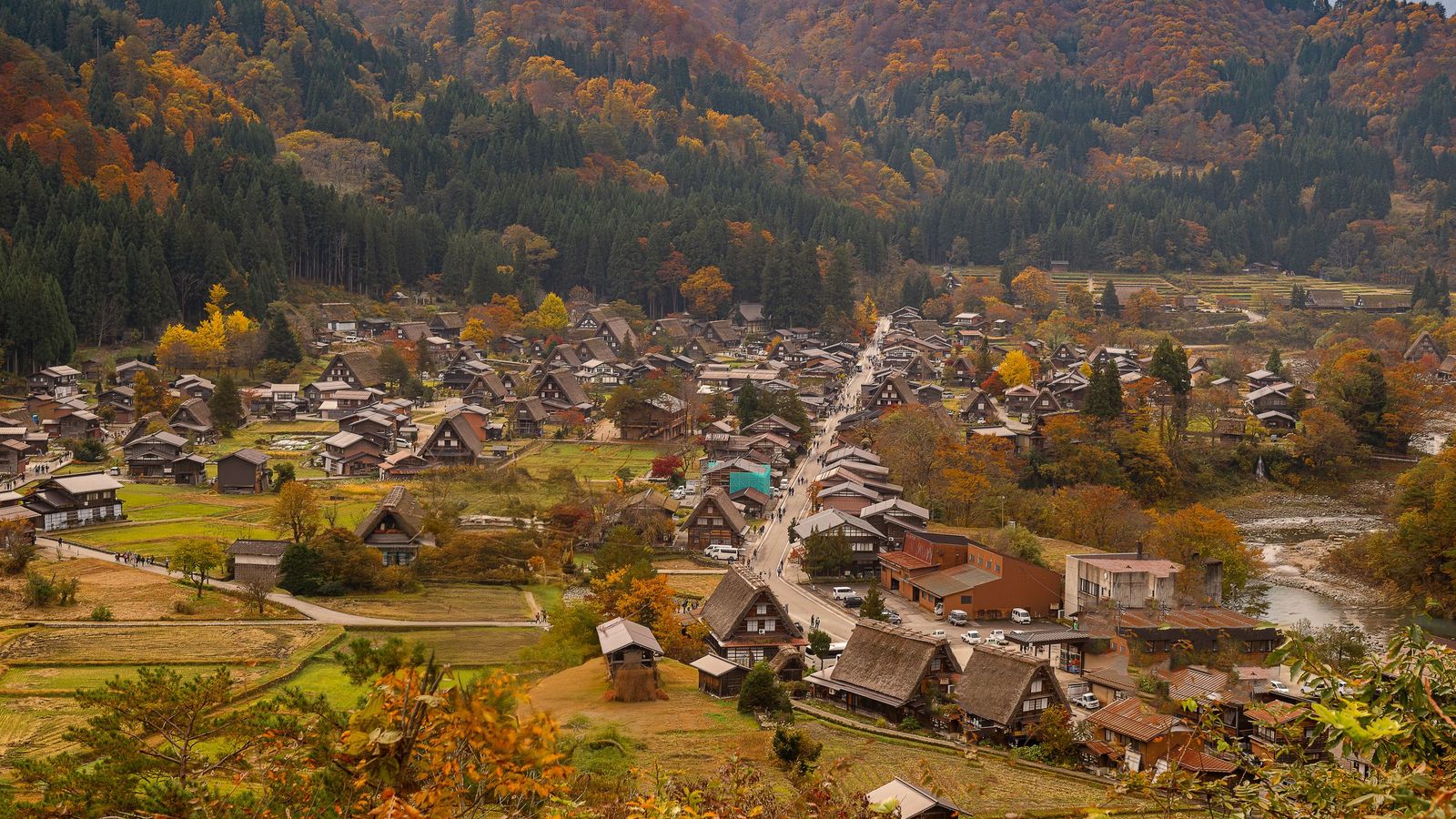
A fairy-tale village that might not last
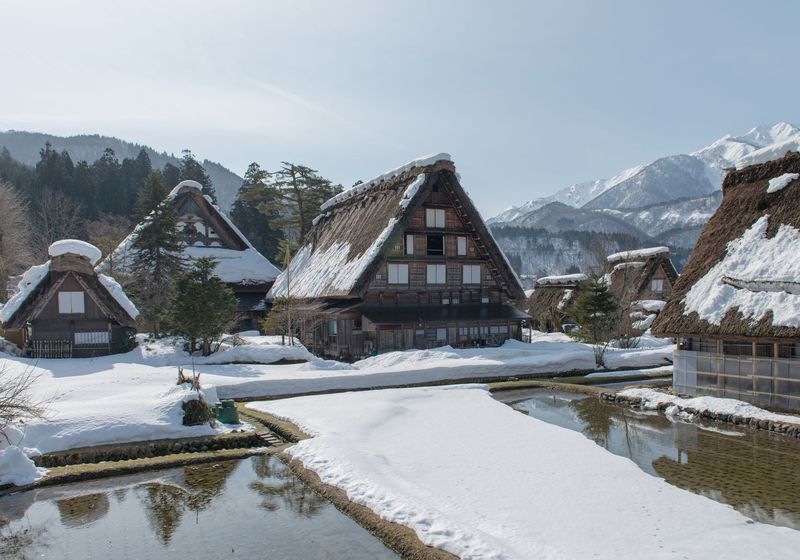
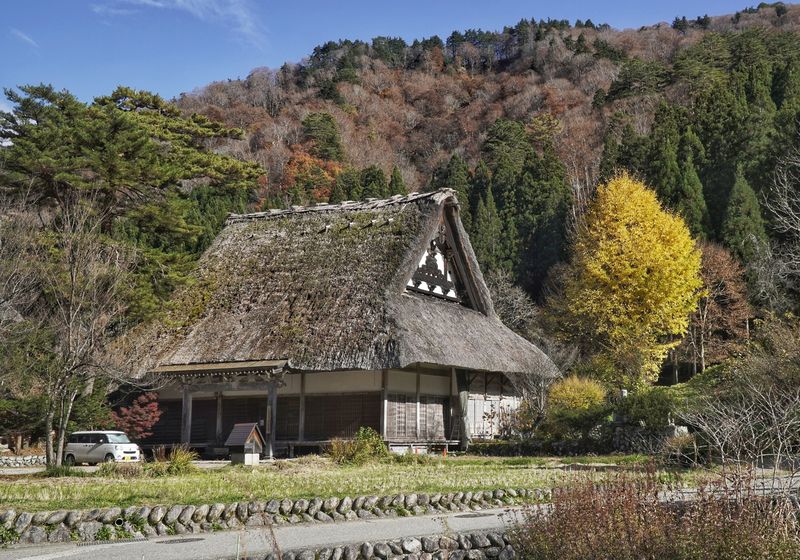
The houses here are called gassho-zukuri, "hands in prayer", after their steep thatched roofs. They were built that way to shed heavy mountain snow, and some have stood for around 250 years. People still live and farm in them.
Keeping them standing is hard work. Each roof has to be rethatched every few decades, traditionally by the whole village together, and one fire could take out rows of houses at once. That's why you'll spot water cannons hidden all over the village. See it while it's still a living village.
What to see
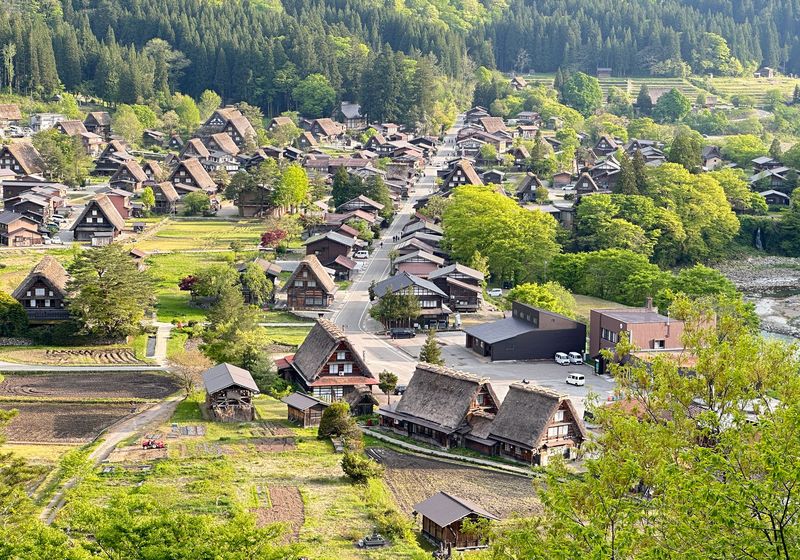
- The viewpoint above the village: the classic postcard view of the whole valley. Walk up or take the shuttle bus.
- A farmhouse from the inside: a few of the big houses are open to visitors. You can climb up into the roof and see how they're built.
- The open-air museum: farmhouses moved here from nearby villages, with a quieter, more rural feel.
- The suspension bridge: the walk into the village crosses the river on a long footbridge, with mountains all around.
- The winter light-up: on a few evenings in winter the snowy village is lit up at night. It's spectacular and needs booking well ahead.
Our tips for Shirakawa-go
- Stay the night in a farmhouse. Some of the thatched houses are guesthouses. After the tour buses leave in the late afternoon, the village is yours.
- Get to the viewpoint early. First thing in the morning the light is soft and the crowds haven't arrived.
- Remember people live here. Stay on the paths, don't walk into yards or open doors, and leave the drone at home.
- Book winter early. Light-up evenings and snowy-season buses sell out. Plan months ahead if you want the snow.
- Combine it with Takayama. Takayama's old town is worth a night too, and the bus connects the two easily.