 Hidden Gems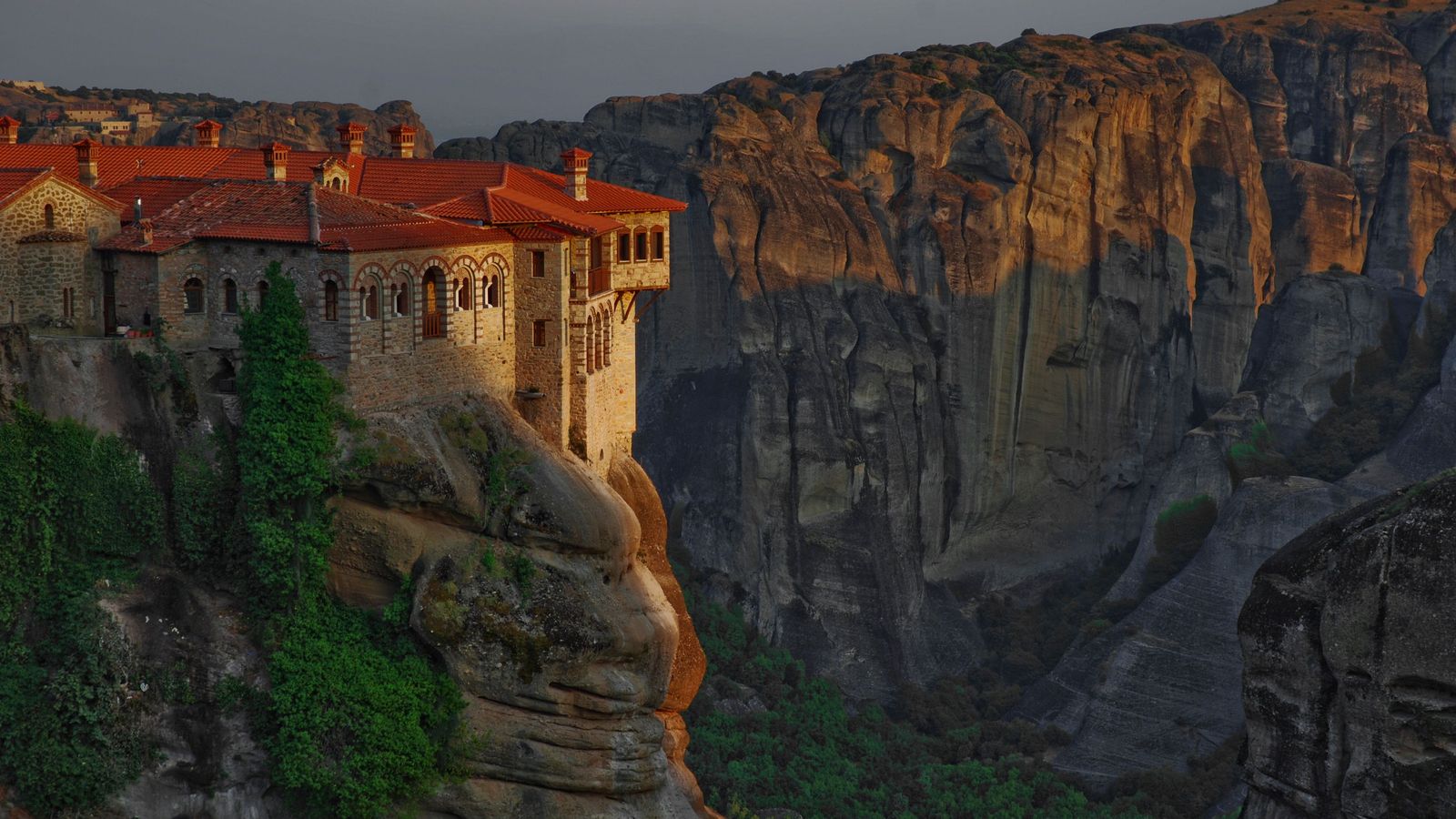
Nowhere else on Earth looks like this
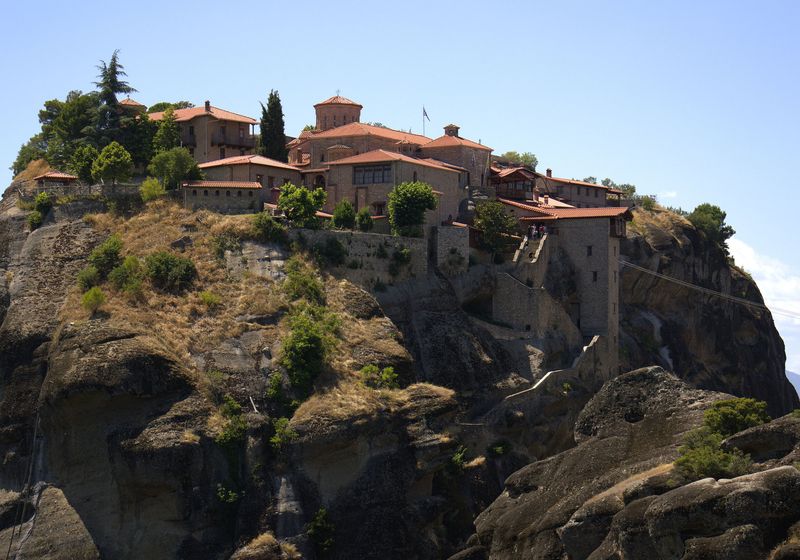
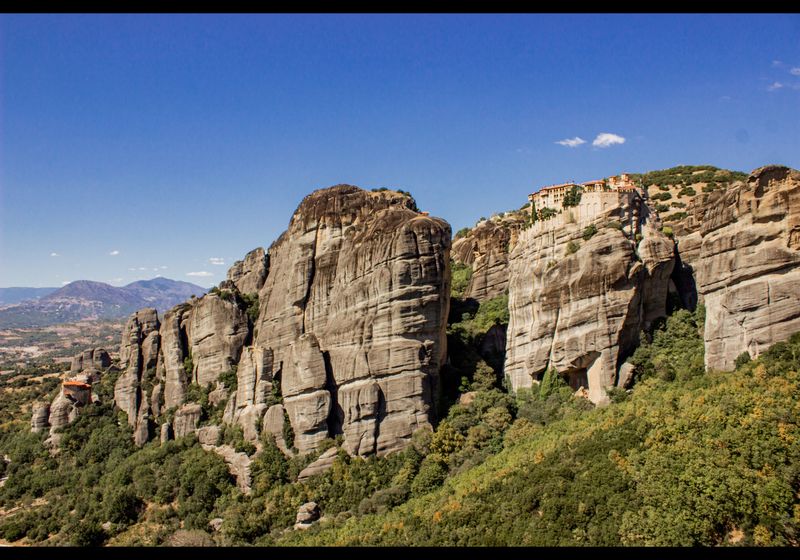
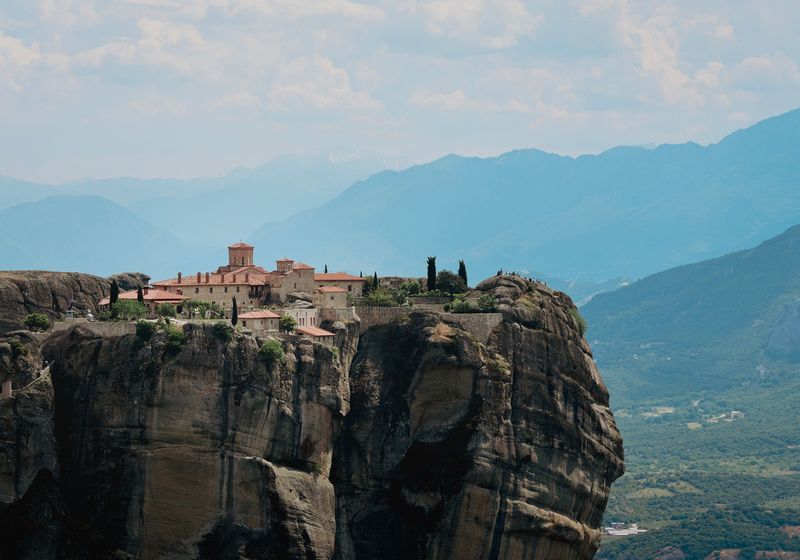
Meteora means "suspended in the air", and it's the only honest description. Giant sandstone pillars rise straight out of the plain, and on their tops monks built monasteries starting in the 14th century. They chose the rocks to stay out of reach. Supplies, and often the monks themselves, went up in nets hauled by rope. The rock-cut staircases visitors use today were only added in the 20th century.
There were once more than twenty monasteries. Six are still active, and all six are open to visitors. It's one of the few famous places that genuinely looks better in person than in photos, especially early in the morning, when mist sits between the pillars.
The six monasteries
- Great Meteoron is the largest and highest, with a museum inside. If you only visit one, make it this one.
- Varlaam is right next door, and you can still see the old rope-and-net winch.
- Holy Trinity sits on a lone pillar with the most dramatic views. Expect a steep climb.
- Roussanou is a nunnery perched on a narrow rock, reached by bridges.
- St. Stephen is also run by nuns, and the easiest to reach, with no stairs.
- St. Nicholas Anapafsas is small, with beautiful frescoes, and is the first you pass coming from Kastraki.
Our tips for Meteora
- Sleep there, don't day-trip. The magic happens at sunrise and sunset, when the day-trippers are gone. One night is the minimum, two is better.
- Be up for sunrise at least once. Mist often fills the valley in the early morning and the monasteries float above it. It's the shot everyone wants and few people actually get.
- Walk the old monk paths. Footpaths from Kastraki climb between the rocks to the monasteries. It's quieter than the road and you see the pillars from below.
- Pack something to cover up. Shoulders covered, long trousers for men, a skirt for women. Wraps are usually lent at the door, but it's easier to bring your own.
- Check which monastery is closed today. Each one closes on a different weekday, and in winter some close two days with shorter hours. Plan your route around it, and bring cash: entry is €5 per monastery.